WildHout — Atelier NL
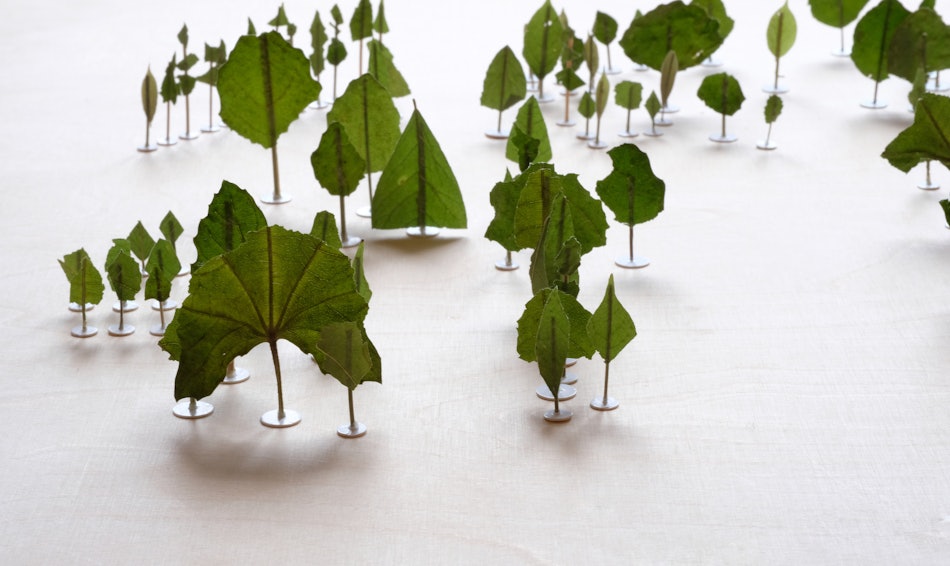
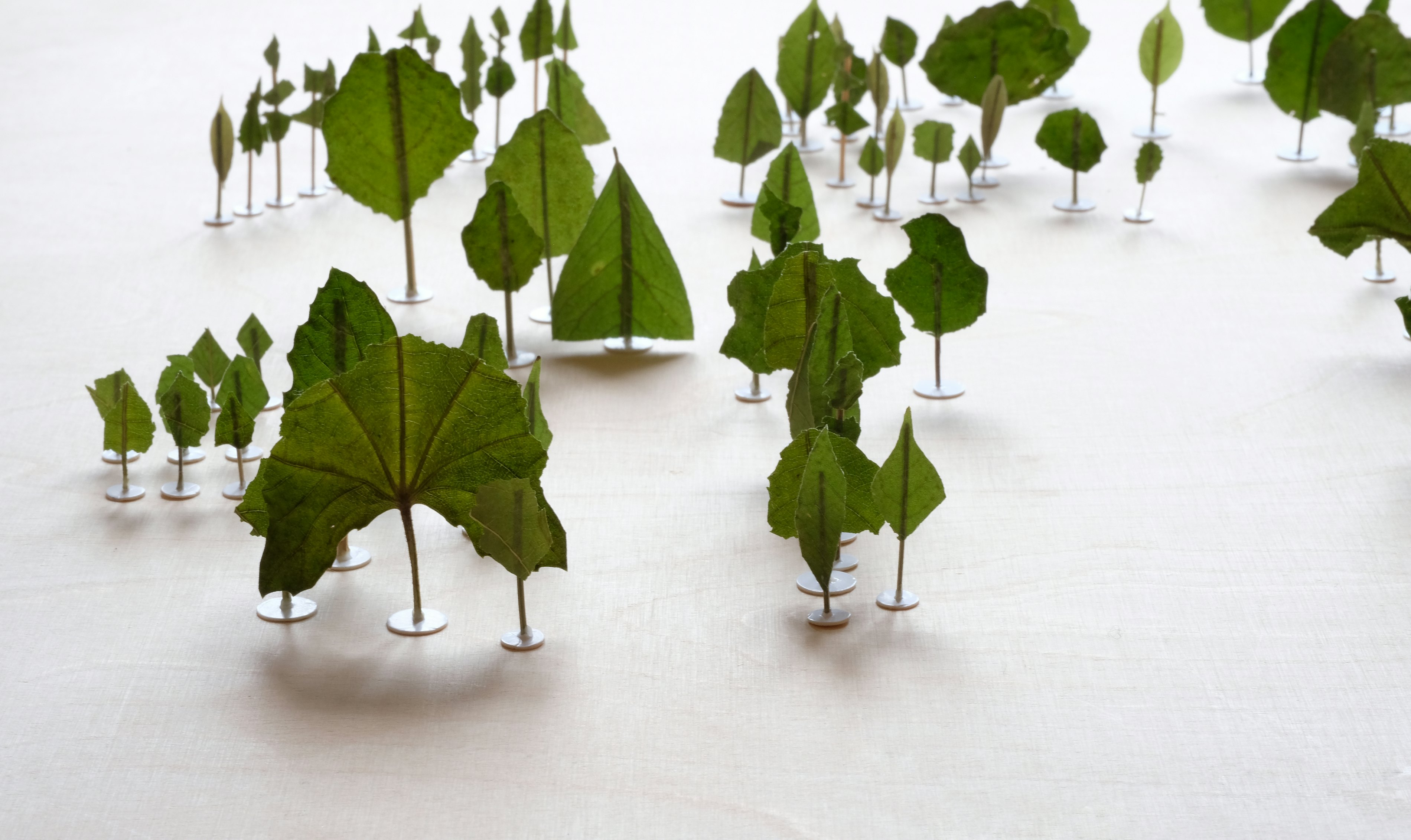
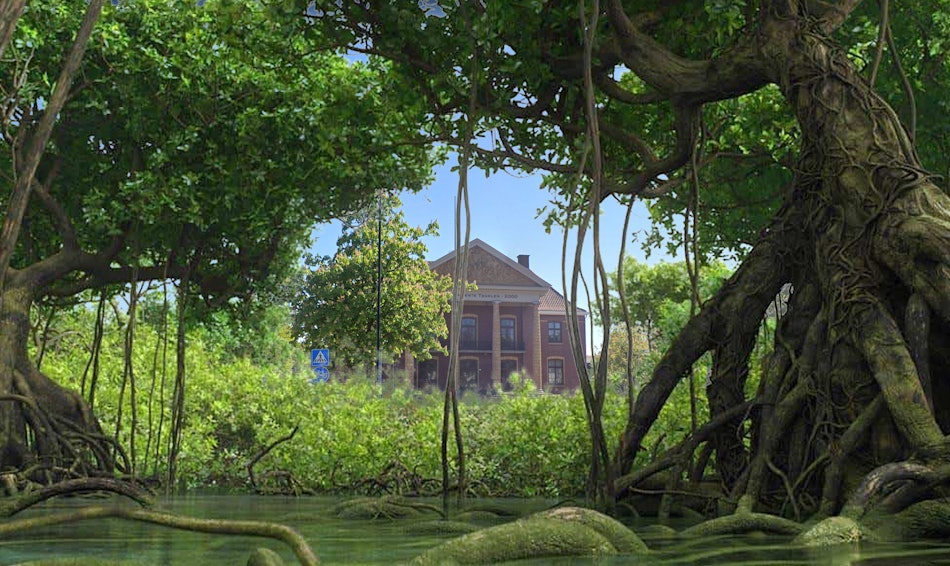
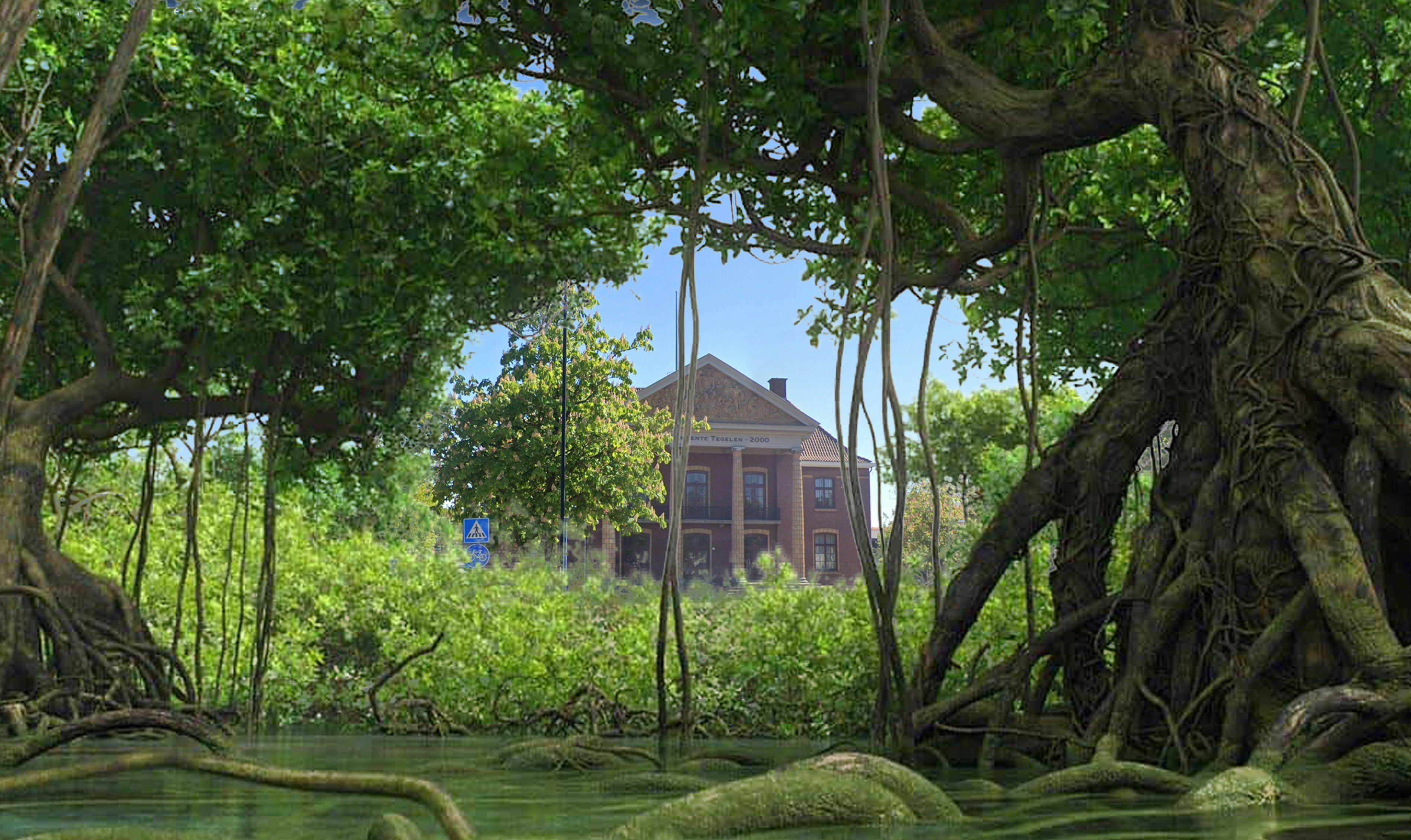
For Nieuwe Uitzichten, Atelier NL worked together with Zomerparkfeest to raise awareness of the many ways in which trees contribute to our economy and wellbeing, as well as their great ecological importance. The project WildHout focuses on Julianapark in Venlo, which was created 75 years ago. Thanks to its open layout, it is not only the perfect location for events, but also home to a wide variety of plants and trees, many of them as old as the park itself.
Six topics
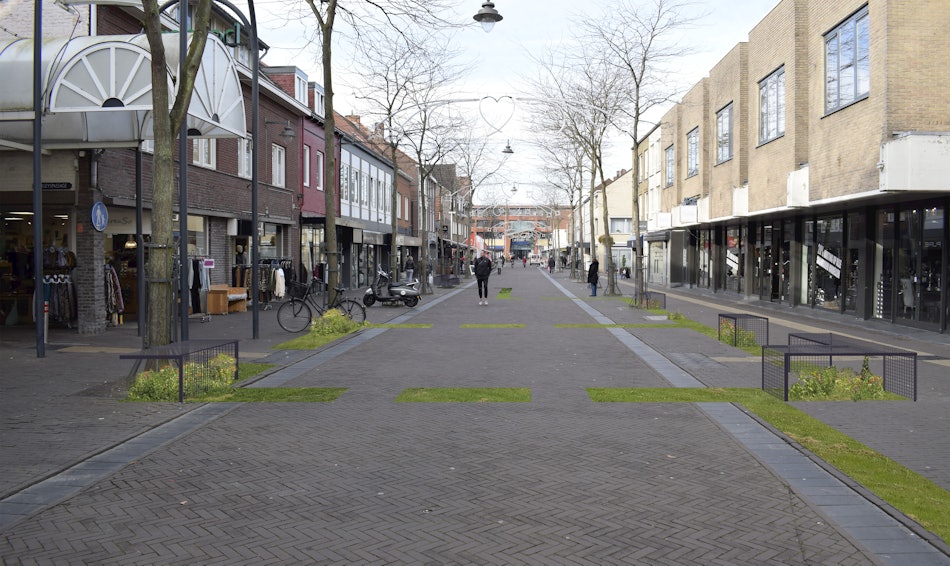
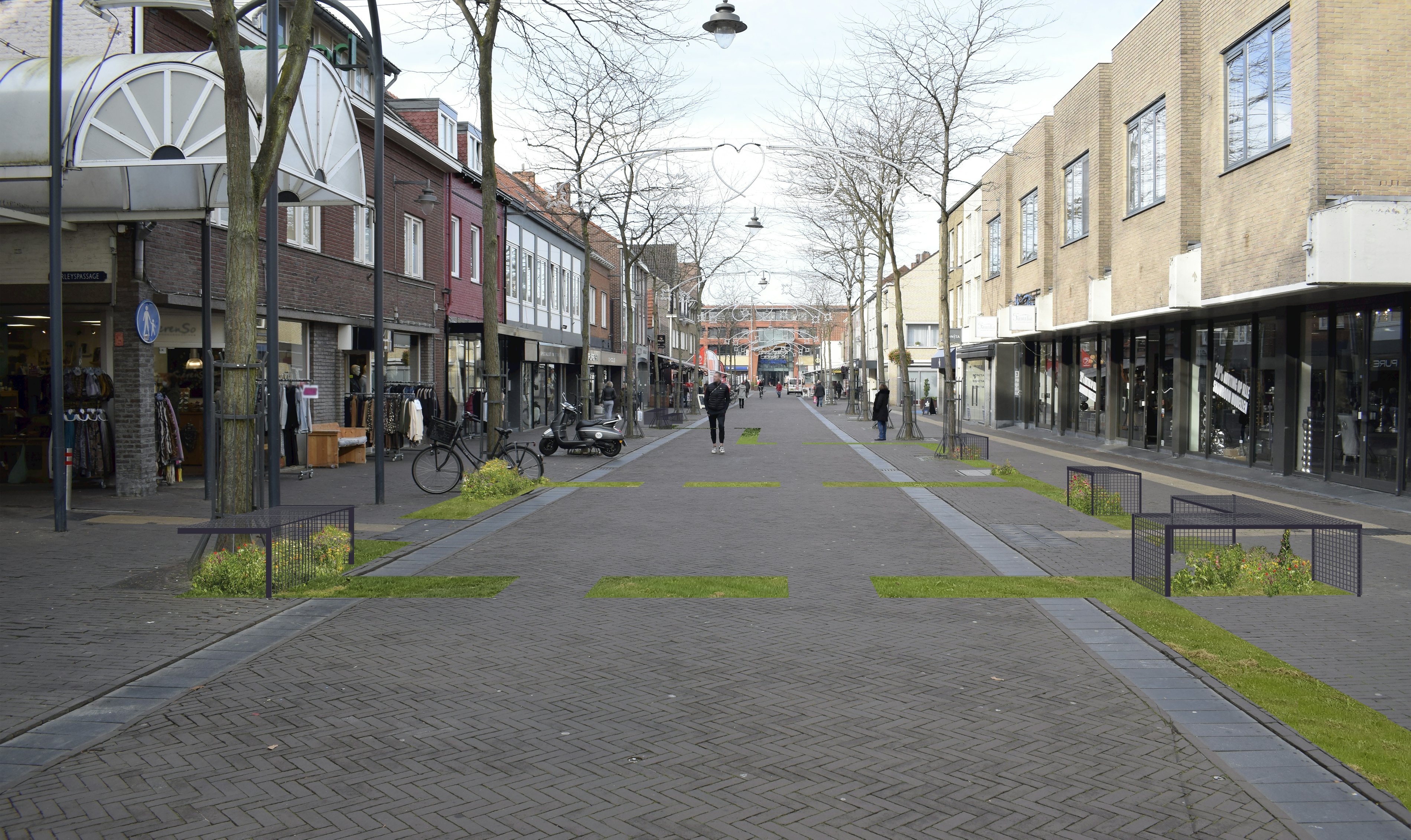
WildHout—Village consists of six installations based around wooden benches, made from trees in Venlo that recently fell or had to be cut down. Each bench highlights one of six themes linked to the roles we give trees: food production, timber production, recreation, biodiversity, water management and cultural heritage. These themes are explored through activities that involve visitors to Julianapark and offer new insights into trees and their local and ecological importance.
Food production
Most people do not realise that many parts of a tree, such as fruit, blossom, seeds, leaves, sap and bark, can be used as food or medicine. The Food Bank explores the trees in Julianapark as sources of edible or healing ingredients and teaches visitors how to recognise them.
Timber production
Dutch forests mainly produce biomass for renewable energy, releasing the CO2 stored in the wood back into the atmosphere. High-quality timber, such as oak or beech, can also be used in construction or furniture making. The Timber Bank introduces visitors to the different uses of wood and the choices involved.
Recreation
In the densely populated Netherlands, millions of people share a limited number of wooded areas for walking, cycling, running, riding, camping or climbing. The Recreation Bank shifts visitors’ attention away from their own activity and towards the beauty of their surroundings, including the tiny details in the treetops above them.
Biodiversity
A healthy natural environment contains a wide variety of species. Every tree is an ecosystem in itself, supporting many animals, birds, insects and fungi, both above and below ground. The BioBank uses the origins of different trees in Julianapark as the starting point for a podcast about social diversity.
Water management
The soil in biodiverse forests can absorb water like a sponge, helping to prevent flooding and reduce the effects of dry periods. Using a specially measured water tap, the Water Bank explores the effects of climate change on trees in an urban environment, where they are much more vulnerable to storms and drought.
Cultural heritage
In the fully cultivated Dutch landscape, almost every tree has been deliberately planted or grown. Each tree has historical, economic and cultural value. The Culture Bank presents several remarkable trees and their stories, while encouraging new stories by planting cuttings in the park.